San Antonio Addiction Treatment: The Power of Alumni Networks
Recovery lasts longer than a treatment keep, and for people rebuilding their lives in San Antonio, what happens after discharge frequently matters most. The best alumni network broadens a person's safeguard, supports them in the neighborhood's rhythms, and maintains the momentum of very early success from stalling. I have watched grads that when white-knuckled their initial week out later sponsor novices, hire each various other, and organize river cleaning days after hefty rainfalls. That arc does not occur by accident. It takes layout, consistency, and a regional lens that fits the realities of addiction treatment in San Antonio.
This city has its own healing texture. Active army and veterans share space with hospitality workers on strange shifts. Family members ties run deep throughout the West Side, the South Side, and the Hill Nation travelers who travel in and out for treatment. Fiesta period can be a minefield, so can rodeo weeks, Spurs playoff runs, and spring event schedules that fill up every weekend. When alumni efforts mirror those real-world touchpoints, they move from nice-to-have to essential.
What a graduates network in fact is
Strip away the buzzwords and a graduates network is a structured way to keep people attached to healthy peers and solutions after official discharge. It functions finest when it mixes 3 elements:
- Warm relationships constructed throughout treatment that continue in daily life.
- Accessible touchpoints that fit various schedules and phases of recovery.
- A light professional spine, strong on borders and references, not treatment camouflaged as social hour.
In method, that can resemble message check-ins from a peer lead, coffee meetups near armed forces bases, quarterly family education and learning evenings in bilingual layouts, job-skills workshops in collaboration with regional employers, and solution tasks that give function and pride. Inside a strong network, graduates can relocate from receiving support to offering it, which typically notes a transforming point in their own sobriety.
Why graduates function, not just in theory however on the ground
The science behind proceeding care is simple. Compound usage problems change benefit pathways and stress feedbacks, and those changes do not stabilize in 30 or 60 days. Ongoing liability and favorable support, particularly from peers that "get it," lower the danger that tension or exposure will certainly result in old habits. Shared aid groups and recovery community organizations include protective layers referred to as recuperation funding, the mixed personal, social, and area resources a person can draw upon.
On the ground, I see four mechanisms at play:
Identity change. Grads reframe from "individual" to "alum that helps." That identification is sticky. When somebody is scheduled to co-facilitate a novice orientation on Tuesday, they are much less likely to isolate all weekend.
Early advising system. Normal touches expose small modifications prior to they come to be dilemmas. One missed out on telephone call might be nothing. Three missed phone calls with peaceful social feeds and an uncharacteristic reason can sign a same-day wellness reach-out or an in-person visit if authorization and safety and security strategies allow.
Micro-communities. Individuals need greater than a room of strangers. Veterans gravitate to each other. Restaurant team bond over late-night food cravings after double shifts. Young parents swap hacks for young child outbursts and sleep loss. Good networks construct subgroups intentionally.
Concrete possibility. Healing speaks louder when it pays a costs and obtains you home by dinnertime. Alumni work boards, instructions, and school enrollment help transform a person's everyday math.
Some request for tough numbers. You will certainly discover large ranges in the literature, and relapse is facility. What corresponds, throughout settings, is that involvement after discharge associates with much better retention in outpatient services, greater rates of meeting presence, and fewer unplanned readmissions. Programs that invest in alumni sustain additionally report stronger word-of-mouth and even more steady census, not due to the fact that individuals cycle back, but since graduates refer friends.
The San Antonio context matters
Addiction therapy in San Antonio has toughness that alumni programs can magnify. Army culture rewards system communication, so friend systems and service-oriented occasions reverberate. Confidence neighborhoods are robust, which indicates Sunday early morning circles and weeknight Celebrate Healing teams have natural hosts. The cooking and nightlife scene is lively, so triggers are everywhere on weekends, yet parks and greenways use sober rooms for movement and sunlight.
Transportation is typically the pinch point. Using buses cover much of the city, but transfer times can extend a 30-minute conference into a two-hour round trip. Gas cards, rideshares prepared with a sober planner, or revolving neighborhood-based meetups fix that. On the borders, from Boerne to Seguin, telehealth bridges distance. A crossbreed graduates version works well below: one week on Zoom for a lunch-hour check-in, next week in person at a centrally located community center or a church hall with child care space.
Cultural fluency issues as high as logistics. Bilingual facilitators eliminate rubbing. Food must match the crowd, not a generic platter. You will maintain much more graduates if the meal consists of arroz con pollo along with veggie trays, and if a facilitator knows that Feast ceremonies require a prevention strategy reviewed long before cascarón confetti hits the street.
What solid alumni networks do differently
I expect a handful of style options that divide long lasting networks from those that fade:
Continuity of connections. The same counselor or peer support specialist that directed very early discharge preparation shows up at the first graduates touchpoint. Familiar faces turn "I should go" right into "I will certainly go."
A consent-driven information backbone. Graduates offer clear consent for just how they wish to be spoken to, by whom, and what occurs if they go peaceful. HIPAA-compliant systems log interactions without slipping right into monitoring. When someone requests for a new beginning with a brand-new number, staff treat it like a handoff, not a loss.
Multiple doors in. Not every person warms to a 12-step layout. Excellent programs provide SMART Recuperation, Haven Recuperation, faith-based circles, and non-meeting tasks like hiking teams, art nights, and yoga exercise at daybreak on the River Stroll. Choice develops dignity.
Role clarity. Alumni planners are not therapists, and coffee with a peer lead is not a medical session. When requires go beyond a peer range, referrals to outpatient clinicians or psychiatry happen promptly, ideally within 48 hours.

Family incorporation. San Antonio family members show up, often noisally. Networks for families, with limits, lower triangulation and maintain home settings safer.
A day-in-the-life snapshot
Marcus, an Air Force veteran from Lackland, completed a 45-day program with strong trauma assistance. At discharge, he satisfied Roy, a peer coordinator and former infantry NCO. They established a timetable: Monday message check, Wednesday evening fitness center meetup on the South Side, Saturday early morning professional coffee run. Within 2 weeks, Marcus joined a service job painting a community center near Harlandale. He swapped numbers with 2 other vets, and they started a casual team chat that became his 2 a.m. Breaker throughout rough nights. When a VA benefits issue endangered his rent, the graduates workplace walked him into a legal help center. 6 months later, he co-hosted the newcomers table at a bbq held after a graduates softball video game in McAllister Park. That shift from receiver to giver mattered as long as his therapy did.
Elena, a single mom working resort home cleaning near the River Stroll, had different restrictions. She needed multilingual support, daytime check-ins, and child care. Her alumni pathway ran through a Tuesday twelve noon Zoom in Spanish and https://connerqshh322.wordcanopy.com/posts/san-antonio-addiction-treatment-from-first-contact-us-to-first-session a Saturday early morning park meetup with a volunteer supervising the play ground. When Fiesta period started, her group developed a plan: adhere to family-friendly occasions, particular departure strategies if yearnings surged, and a rideshare spending plan because a two-bus transfer after dark felt risky. The strategy kept her anchored when coworkers invited her out after shifts during a high-trigger week.
Two people, 2 really various alumni arcs, one foundation: functional support, option, and constant outreach.
The first 90 days after discharge
If a program obtains one window to build behaviors that last, it is the first three months. I suggest establishing a predictable cadence that keeps care noticeable without surrounding freedom. An easy framework:
- Day 1 to 3: Personal telephone call or text from the assigned peer, not a generic blast. Verify meeting alternatives, troubleshoot transport, and ask about the very first rest at home.
- Week 1 to 2: In-person meetup at an acquainted place. If required, a team member participates in the very first outside meeting with the alum.
- Day 30: Review regimens. Introduce a micro-role, such as welcoming newcomers at a graduates meeting or establishing chairs.
- Day 60: Skills focus. Host a job-readiness or budgeting session. Track whether the alum has a primary care appointment and any expert follow-ups.
- Day 90: Transition to a sustainable rhythm. Confirm that natural assistances are in place, and paper choices for how and when to connect next.
This is just one of both listings allowed. It avoids a stiff clinical feeling and helps planners relocate with intention. Significantly, it leaves room for nuance. Some people desire daily call for a while. Others prefer an once a week message and a standing Saturday run along the Mission Reach.
Boundaries and safety without the stigma
Good graduates networks equilibrium warmth with guardrails. 3 concerns show up repeatedly.
High-risk occasions. San Antonio has months when alcohol and celebration culture are almost everywhere. Alumni teams must publish a seasonal calendar with alternate events, trips, and buddy systems. If a person strategies to go to a trigger-heavy gathering, personnel can rehearse rejection scripts, strategy early departures, and identify a contact that picks up on the second ring.
Medication and co-occurring treatment. For people on medicine for opioid use disorder or with psychiatric prescriptions, graduates planners keep an upgraded resource map and normalized language. "Did you get your refill?" needs to seem like "Did you bring water?" not "Are you still certified?" Shaming prices lives.
Romance and dating within the network. This is delicate. Blanket bans disregard humanity, and anything goes develops disturbance. Clear, kind guidelines assistance: shield very early recuperation, pause on dating until a sponsor or therapist agrees, and request for an exclusive conversation if connections complicate a team dynamic. Team needs to prepare with resources to deal with conflicts without public spectacle.
Measuring what matters, not simply what is easy
Programs love dashboards. Vanity metrics do not keep individuals sober. Concentrate on signals that link to end results and regard privacy.
Engagement depth. Beyond matters of participants, track the spread of roles. How many graduates hold micro-roles like establishing chairs, co-facilitating, or welcoming newbies? Much more duties, more roots.
Recovery funding markers. Real estate security, work or education, medical care connection, and 2 called sober supports. These are not checkboxes to please funders, they are the foundation of much less chaotic lives.
Warm handoffs. Time from recognized need to solution connection. If an individual requests for trauma therapy on a Friday and sees somebody within a week, that is a win. If it takes three weeks, expect dropout.
Re-engagement courses. When people go back to utilize, how swiftly can the network welcome them without embarassment and with options? A same-day strategy decreases barriers to re-entry into outpatient care or greater levels of support.
Confidentiality is non-negotiable. Aggregate patterns are fine to show to leadership. Private tales need approval, and information lives in a system created for health info, not in personal phones.
Funding and sustainability in Texas
Addiction treatment Texas large has a jumble of payers, from industrial insurance policy to Medicaid, the VA, area funds, and self-pay. Alumni programs commonly falls between budget lines. Sustainable versions make use of a number of sources:
Operational margin. Programs that comprehend lifetime value consist of alumni operate in standard budgets due to the fact that healthier graduates decrease readmissions, legal situations, and unpaid balances.
Grants. Area and state grants, in addition to private structures, will fund community-based recovery supports if you can demonstrate reach and equity. Multilingual services, rural access, and veteran-specific paths straighten with lots of funders' priorities.
Employer collaborations. Port San Antonio business, construction companies, and hospitality teams require trustworthy hires. Graduates work pipes with mentoring and drug-testing protocols can be co-funded when contracts secure employee dignity and safety.
Volunteer energy with structure. Alumni want to repay. Purchase training to convert a good reputation right into consistent solution. A two-hour orientation on boundaries, privacy, and crisis escalation generates volunteers who assist without creating liability.
Integrating with the wider recuperation ecosystem
No alumni network flourishes alone. In San Antonio, partnership beats competition.
Mutual help groups. Coordinate schedules with AA, NA, SMART Recuperation, Celebrate Recovery, and Sanctuary Recuperation across communities. Prevent organizing alumni nights opposite a solid existing conference. Deal experiences in between them.
Recovery area organizations. Partner with organizations that organize drop-in rooms, job fairs, and naloxone training. Share room, do not change it.
Healthcare. Construct networks with medical care facilities, behavioral health suppliers, and oral centers that approve Medicaid and sliding-scale individuals. A broke tooth can torpedo a job interview, and unattended pain hinders soberness fast.
Justice system touchpoints. Lots of graduates have pending instances or probation. Communicate with specialty courts to line up timetables and document development that counts. If a court likes to see a particular format of presence logs, satisfy that need without transforming healing right into a checkmark race.
Faith communities. When welcomed, location alumni teams in church halls with clear limits. Some individuals discover stamina there. Others like nonreligious spaces. Both need to exist without judgment.
Technology that assists without taking over
The finest technology is invisible and helpful. A HIPAA-compliant messaging platform, group video clip that does not glitch on low bandwidth, and a basic CRM to log contacts are enough. Automated nudges can load voids, but graduates must never ever really feel spammed. Authorization displays ought to appear English, illegal thickets. For rural regions that feed right into San Antonio programs, telehealth teams minimize isolation and offer on-ramps for individuals who can not take a trip midweek.
One tiny device that pays huge dividends is a trips center. A coordinator can accept rideshares within set spending plans, track usage, and shift funds to gas cards when needed. I have actually seen presence double for specific teams when transportation friction dropped.
Common risks and how to stay clear of them
A few patterns tend to sink graduates efforts.
All heart, no strategy. Warmth without structure wear out personnel and loses individuals in the fractures. A calendar established 60 days ahead of time, clear roles, and recorded handoffs keep momentum.
Clinician overreach. When treatment spills right into alumni area, individuals really feel handled. Keep the professional line crisp and refer decisively.
One-size-fits-all programs. A 7 p.m. Fulfilling near the Pearl will not offer night-shift employees or moms and dads on the South Side. Differ time, place, and format. Review quarterly and move occasions that underperform.
Data hoarding. If program leaders need to approve every modification and see every metric, coordinators quit introducing. Set target results, not micromanagement.
Hero volunteers without training. All-natural leaders can additionally press borders. Provide devices and supervision, or you will certainly spend your weekend breaks putting out fires.
A useful starter package for programs constructing alumni support
If you run addiction treatment in San Antonio and wish to boost graduates job, a straightforward starter set can move you from idea to action in 30 days.
- Name a lead. One factor person with authority to schedule, spend a small spending plan, and coordinate throughout departments.
- Map the city. Recognize three accessible venues on bus lines, one southern, one main, one north. Verify multilingual capacity.
- Set a 90-day calendar. Alternate in-person and online. Publish widely at discharge and on social channels alumni currently use.
- Build recommendation ladders. Fast pathways for psychological health, FLOOR COVERING, housing, and work. Put calls in a one-page sheet alumni can save to their phone.
- Launch pilot functions. Greeter, arrangement lead, rides organizer, novice pal. Train in a one-hour session. Debrief monthly.
This is the second and final listing. It remains tight by design. A lot of programs have the bones to do this now if they honor one team member to keep up it.
The human item you can not fake
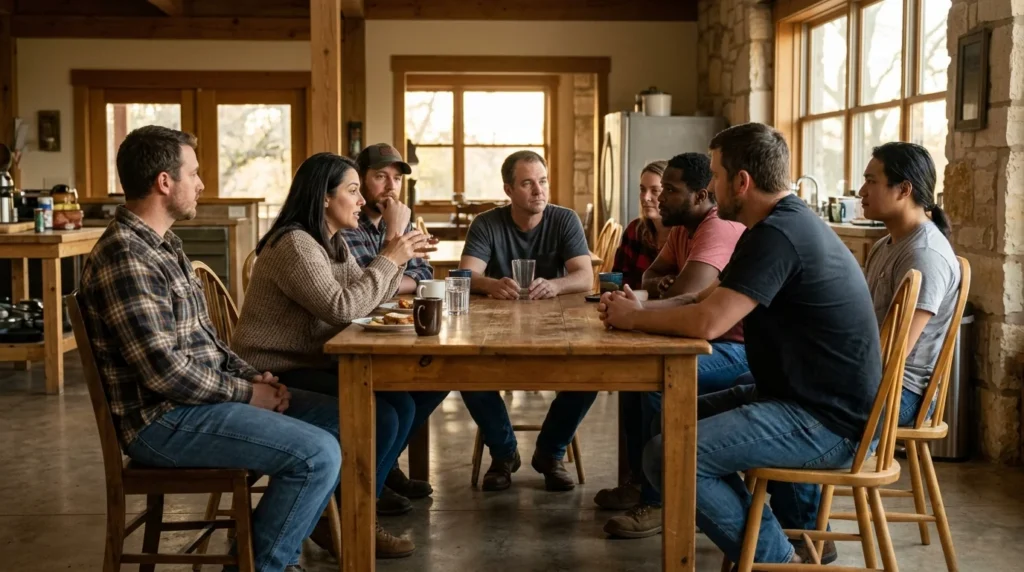
The toughest graduates networks seem like belonging, not responsibility. I keep in mind a Saturday morning by the Goal San José trailhead after a hefty rain. The group planned a clean-up and a brief walk. People showed up with gloves, kids in strollers, and a couple of nervous novices. Somebody made café de olla. An alum commemorated 18 months and quietly mentioned a hard week at work. Another offered to sit on the veranda later that day if cravings spiked. No one offered a speech. They simply did the next ideal thing with each other. That early morning mattered as long as any treatment session.
San Antonio can be a challenging healing landscape with its festivals, food, and nightlife woven right into every day life. It is additionally a charitable one. Alumni networks that appreciate the city's rate and diversity aid people construct durable, ordinary lives. And common is underrated. It is the text that gets answered at 6 a.m., the task that deposits on Friday, the little league video game on Saturday, the conference on Sunday, and the close friend who notices if you go silent on Monday.
For any individual considering addiction treatment in San Antonio, ask programs just how they deal with life after discharge. Pay attention for information, not mottos. Who will certainly text you your initial week home. Where will certainly you satisfy if your vehicle is in the store. How they welcome you back if you stumble. The power of alumni networks hinges on those specifics. It is the distinction between a college graduation day and a new method of living.